SFU are 4th in the MLC regular season on 2 points with a 1W-2L record and NRR -0.175, currently in the playoff zone. Seattle are 3rd on 4 points with a 2W-2L record and NRR +0.221, currently in the playoff zone. SFU come in off a 22-run loss to Texas Super Kings after being bowled out for 139. Seattle’s last match was an 88-run win over Washington Freedom after posting 227/6.
Toss & Conditions
Head-to-Head
Across the last three meetings, SFU lead 2-1. In the most recent clash, Seattle chased down SFU’s 168/5 to win with three balls remaining, a finish decided in the final over. The game turned on Seattle getting past a 169 target despite SFU putting up a strong total. The wider pattern is tight: two of the last three have been decided by margins that kept the result alive deep into the chase.
San Francisco Unicorns
SFU are 4th in the MLC regular season on 2 points, currently in the playoff zone. Their last three games read as stop-start: one chase win over Texas Super Kings, surrounded by two defeats. The most telling result is the latest one, where they were bowled out for 139 and lost by 22 runs to Texas Super Kings.
Seattle Orcas
Seattle are 3rd in the MLC regular season on 4 points, currently in the playoff zone. Their recent form has swung sharply from an 81-run loss to Los Angeles Knight Riders to an 88-run win over Washington Freedom. The clearest signal is that last match: 227/6 set up a one-sided result.
Playing XI
Key Stats
Prediction
Models are split, leaning Seattle at 52% on average, with ML backing SFU while the other three models favour Seattle. Bookmakers also lean Seattle, pricing SO at 53% (1.80) vs SFU at 47% (2.00). Key stats are dead level at 4-4 overall, so this projects as a fine-margin game. Recent momentum and the late-innings edge implied by Seattle’s latest chase win are set against SFU’s 2-1 advantage in the last three head-to-heads.
Pretorius drags SFU home
Lhuan-dre Pretorius turned a steep chase into a winnable sprint, smashing 87 off 39 and setting up San Francisco Unicorns’ two-wicket win with five balls to spare. Seattle Orcas had posted 191, and for long stretches it looked enough after their blazing start. But the chase kept breathing through Pretorius’ clean striking, and even when wickets fell late, SFU found just enough composure to cross the line at 19.4 overs.
Middle-overs squeeze, Orcas slide
The match pivoted after Seattle’s powerplay surge of 83/1. Once the field spread, their tempo collapsed: they managed only 86/4 through the middle overs, then lost 5 wickets for 22 at the death. That slowdown mattered because 191 was built on early momentum rather than a strong finish. SFU, by contrast, absorbed a rocky 51/3 powerplay and still kept pace by scoring 111/4 in the middle phase, turning the chase into a straight contest despite a quieter death-overs rate.
Pretorius, Hardie set the base
Pretorius’ innings was the difference: relentless pace, minimal dots, and the ability to clear the rope even as wickets fell around him. His 98-run partnership with Hardie stabilised SFU after the early damage and kept the asking rate in check. For Seattle, Shayan Jahangir’s 62 off 25 and Matthew Breetzke’s 51 off 29 powered the early charge, but Brody Couch’s 3/41 and Matthew Short’s miserly 2/12 helped SFU claw back control when the game threatened to run away.


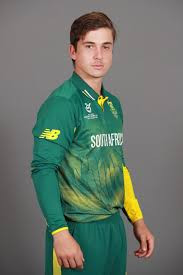



Pre-match lean to Seattle undone
Seattle came in with the form edge and a reputation for finishing chases, and their powerplay batting briefly matched that script. The surprise was how quickly they ran out of boundary options once SFU hit their lengths and forced risk into the longer side. With the ball, Seattle’s death-overs edge never fully arrived because Pretorius and Aaron Hardie took so much out of the target before the final five overs, leaving only a manageable scramble.



























 SFSan Francisco Unicorns
139/10
SFSan Francisco Unicorns
139/10
 TSTexas Super Kings
161/8
TSTexas Super Kings
152/9
SFSan Francisco Unicorns
153/3
TSTexas Super Kings
161/8
TSTexas Super Kings
152/9
SFSan Francisco Unicorns
153/3
 LALos Angeles Knight Riders
154/3
SFSan Francisco Unicorns
150/7
SFSan Francisco Unicorns
131/10
LALos Angeles Knight Riders
154/3
SFSan Francisco Unicorns
150/7
SFSan Francisco Unicorns
131/10
 MIMI New York
132/8
LALos Angeles Knight Riders
243/3
SFSan Francisco Unicorns
233/10
SFSan Francisco Unicorns
148/6
TSTexas Super Kings
147/7
SFSan Francisco Unicorns
168/5
MIMI New York
132/8
LALos Angeles Knight Riders
243/3
SFSan Francisco Unicorns
233/10
SFSan Francisco Unicorns
148/6
TSTexas Super Kings
147/7
SFSan Francisco Unicorns
168/5
 SOSeattle Orcas
169/6
SOSeattle Orcas
169/6
 WSWashington Freedom
169/6
SFSan Francisco Unicorns
157/9
SOSeattle Orcas
144/10
SFSan Francisco Unicorns
176/8
MIMI New York
199/6
SFSan Francisco Unicorns
246/4
SF3SO2WSWashington Freedom
139/10
SOSeattle Orcas
227/6
SOSeattle Orcas
115/10
LALos Angeles Knight Riders
196/10
SOSeattle Orcas
219/5
WSWashington Freedom
216/10
TSTexas Super Kings
221/4
SOSeattle Orcas
220/2
SOSeattle Orcas
137/10
TSTexas Super Kings
188/4
WSWashington Freedom
86/2
SOSeattle Orcas
82/10
SFSan Francisco Unicorns
168/5
SOSeattle Orcas
169/6
LALos Angeles Knight Riders
202/4
SOSeattle Orcas
206/5
SOSeattle Orcas
238/7
MIMI New York
237/4
SOSeattle Orcas
144/10
SFSan Francisco Unicorns
176/8
WSWashington Freedom
169/6
SFSan Francisco Unicorns
157/9
SOSeattle Orcas
144/10
SFSan Francisco Unicorns
176/8
MIMI New York
199/6
SFSan Francisco Unicorns
246/4
SF3SO2WSWashington Freedom
139/10
SOSeattle Orcas
227/6
SOSeattle Orcas
115/10
LALos Angeles Knight Riders
196/10
SOSeattle Orcas
219/5
WSWashington Freedom
216/10
TSTexas Super Kings
221/4
SOSeattle Orcas
220/2
SOSeattle Orcas
137/10
TSTexas Super Kings
188/4
WSWashington Freedom
86/2
SOSeattle Orcas
82/10
SFSan Francisco Unicorns
168/5
SOSeattle Orcas
169/6
LALos Angeles Knight Riders
202/4
SOSeattle Orcas
206/5
SOSeattle Orcas
238/7
MIMI New York
237/4
SOSeattle Orcas
144/10
SFSan Francisco Unicorns
176/8